Let’s Pay More Attention to Methane
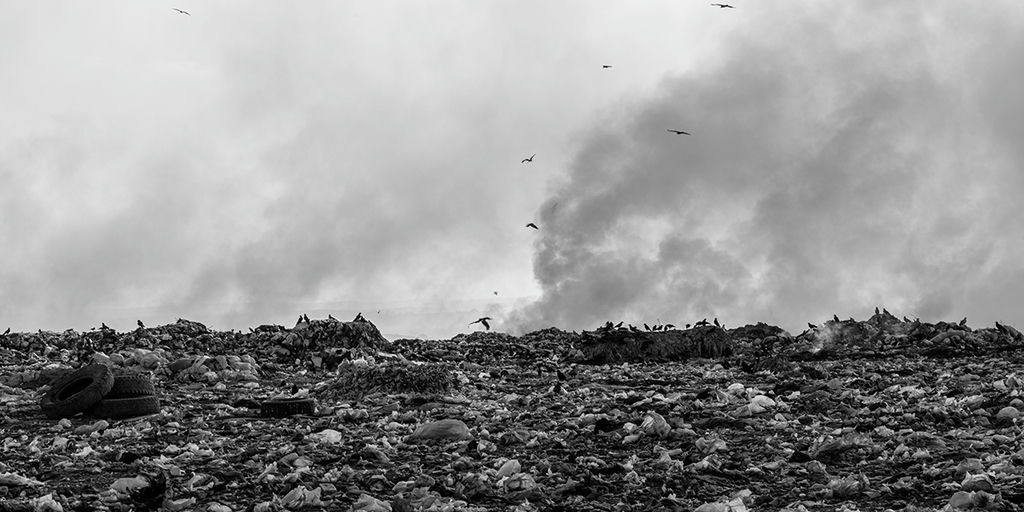
Photo by Collab Media on Unsplash
Whenever climate change is discussed in news reports, textbooks, and conferences or summits, carbon dioxide is most often blamed as the main culprit. While CO₂ undeniably plays a central role, methane tells a quieter but equally alarming story. Despite its shorter life span, methane has contributed to nearly 30 percent of global warming since pre-industrial times - yet it rarely receives the attention it warrants.
Two reasons methane should not be neglected in climate conversations:
- Over its first 20 years in the atmosphere, it traps nearly 80 times more heat than carbon dioxide, and even over a century, its warming potential is about 28 times greater.
- Although methane does not linger as long as carbon dioxide, it does not simply vanish over time; it breaks down into carbon dioxide and water, leaving behind carbon dioxide that continues to warm the planet for centuries.
Methane is also responsible for the increased concentration of ground-level ozone, another important greenhouse gas. Being the second most important greenhouse gas driving climate change after carbon dioxide, its concentration has increased significantly above pre-industrial levels. It is released from both natural and human-driven sources, with human activities responsible for nearly 60 percent of the total methane emissions.
Natural Sources: Methane is naturally released from sources such as wildfires, termite digestion, and methane-producing bacteria in wetlands under low-oxygen conditions.
**Human-driven Sources: **These emissions largely come from three sources:
- Agriculture** **is a major contributor. Ruminant livestock such as cows, buffaloes, and sheep emit methane mainly through digestion, mostly burping, which accounts for about 95 percent of these emissions. Rice cultivation also releases methane due to flooded, low-oxygen fields that promote methane-producing bacteria.
- Organic waste, such as food and garden trimmings, releases methane in landfills as it decomposes under low-oxygen conditions when older waste is buried beneath new layers.
- Finally, methane is released during fossil fuel extraction and can also escape through pipeline leaks during transportation.
Why Is Methane Overlooked?
So, the question is, why is methane, despite its significant influence on climate change, often overlooked?
- Methane is short-lived: Methane generally remains in the atmosphere for around 9-12 years, compared to 100 years for carbon dioxide. This creates a misconception that methane is less dangerous, although its warming potential is higher than that of carbon dioxide over a shorter time period.
- **Sources are difficult to track: **Methane emissions come from many scattered sources, making them hard to track, while carbon dioxide mainly comes from clear, fossil-fuel sources.
- **Lack of public awareness: **Since climate news largely focuses on carbon dioxide emissions, public awareness of methane’s role in climate change remains limited. People often underestimate its role in driving near-term climate change.
- **Climate Policies and Regulations mainly focus on carbon dioxide: **Many regulations, targets, and climate policies are designed around carbon dioxide emissions, overshadowing the role of methane in causing near-term climate change. While government policies and scientific solutions are important in cutting methane emissions, individuals can also reduce emissions through simple everyday actions.
So what do we do about it?
Awareness is an important first step. Action is even more important. So what can you do about it?
- Push for Change: Push for better regulations on oil and gas methane leaks, landfill gas capture, and agricultural practices by supporting policy advocacy, voting, and organizations working on climate accountability. At the same time, help shift markets by supporting companies, technologies, and initiatives that reduce waste and deploy methane capture and monitoring.
- Dietary Change: Choosing a diet with less meat and more plant-based foods. Or opt for meat from animals that produce less methane, like chicken. Sheep and cows release methane during digestion.
- Composting waste at home: Mindful grocery shopping, proper food storage, and consuming what one buys can significantly reduce food waste sent to landfills. Home composting of organic waste further prevents disposal into landfills and provides nutrient-rich fertilizer for soil in the form of compost.
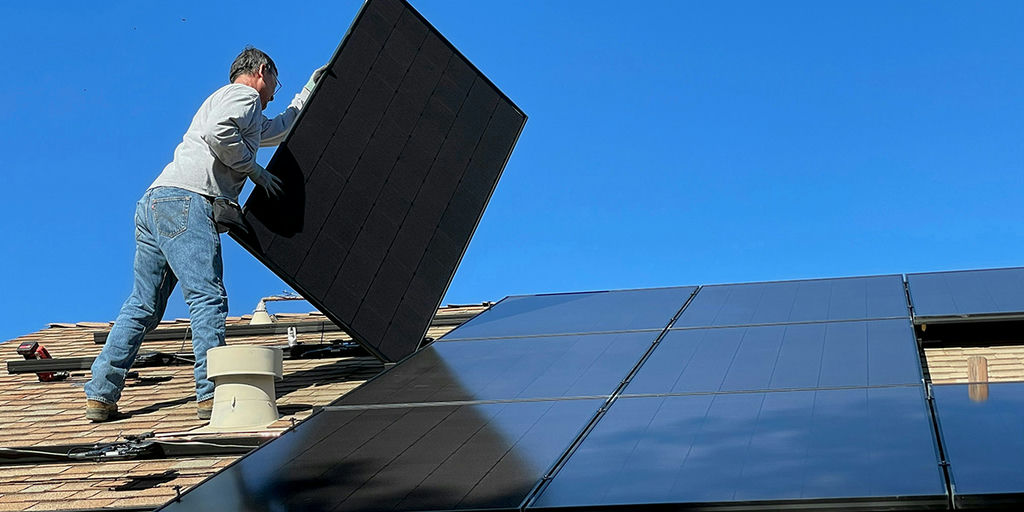
- **Remove gas stoves, water heaters, and furnaces: **If you have them in your home, gas stoves and furnaces should be regularly checked for leaks. Better yet, transition to better heating options like heat pump furnaces and water heaters, induction cook tops, and convection electric ovens. As a bonus, they keep nasty gas fumes out of your breathing air.
Beyond these steps, raising awareness among friends, family, and neighbours, and using public transport, carpooling, walking, or cycling can significantly reduce methane emissions.
Despite years of neglect, methane is now gaining global attention for its powerful climate impact. Over 150 countries signed the Global Methane Pledge at the Glasgow Climate Conference, 2021, to cut human-caused emissions by 30% by 2030, and advanced tools like satellites are helping detect sources. However, public awareness remains low, and strong, enforceable policies are still lacking. Making methane a core part of climate discussions alongside carbon dioxide can raise awareness and support long-term emission reductions.
For simple ways to reduce greenhouse gases, also see “Use Your Feet and Bicycles to Help Reduce Greenhouse Gas Emissions” and “Quick Climate Actions for a Busy Life.”